
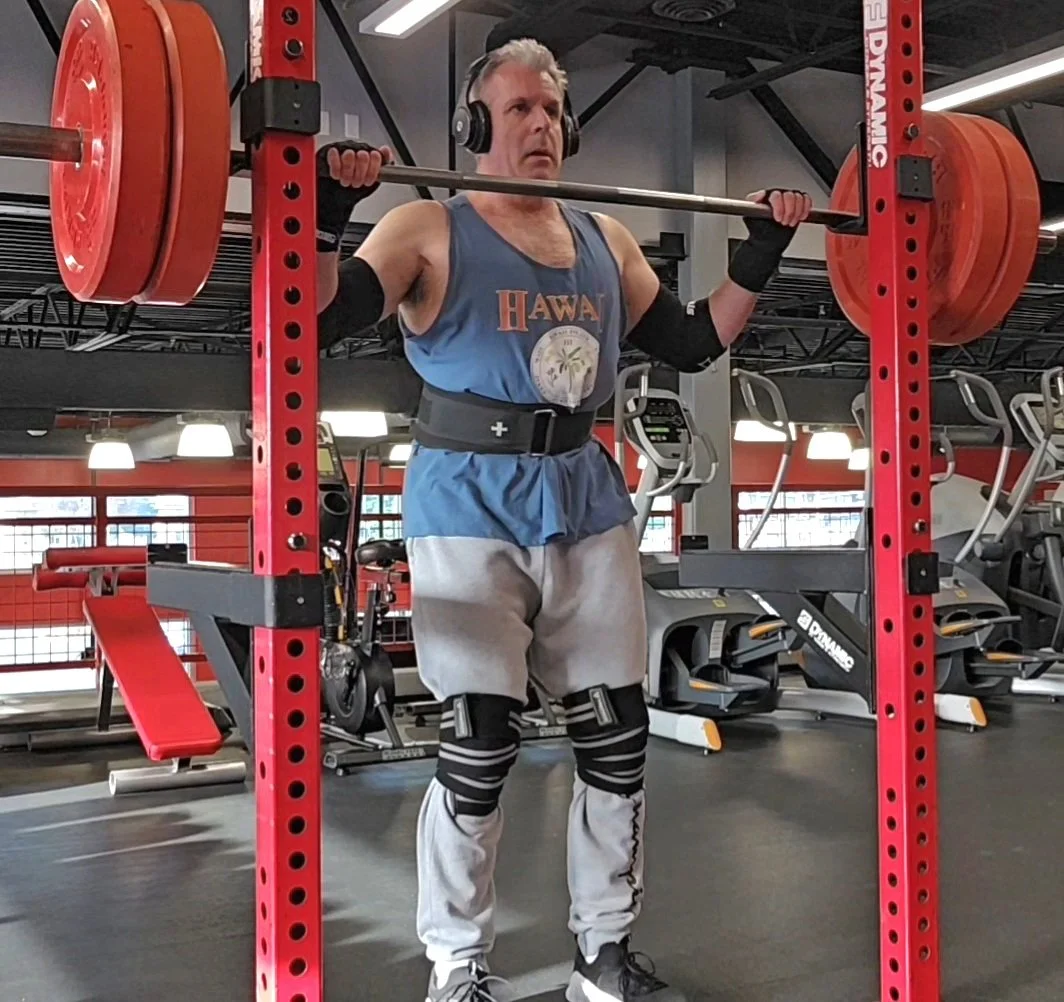
Performing high reps (15–20) with moderate weight using compound movements—such as squats, leg presses, deadlifts, bent-over barbell rows, cleans, and clean and jerks—offers a variety of benefits for muscular cardiorespiratory endurance, which is the ability of your muscles to work for extended periods while your heart and lungs continuously supply them with oxygen. Here’s how high reps help:
1. Improved Muscular Endurance
Performing 20-rep sets trains your Type I (slow-twitch) muscle fibers, which are responsible for muscular endurance.
Over time, your muscles become better at resisting fatigue, which is helpful for sports, daily activities, and long high-volume training sessions.
2. Cardiorespiratory Conditioning
High reps elevate your heart rate significantly—especially if you minimize rest between sets.
This mimics a cardiorespiratory workout, engaging large muscle groups like the quads, glutes, and hamstrings, which demand more oxygen.
It’s a great way to improve VO₂ max (a key marker of cardiovascular fitness) in strength athletes.
3. Metabolic Conditioning
High rep sets place a high metabolic demand on your body, increasing calorie burn both during and after exercise.
They help improve lactate threshold—your body’s ability to buffer and tolerate fatigue-inducing metabolites like lactic acid.
4. Mental Toughness and Discipline
High reps are mentally challenging (more than low reps) requiring focus and grit, especially as fatigue sets in during reps 15–20.
Training in this zone can build resilience and mental strength that carries over into other forms of training.
5. Muscle Hypertrophy
While typically associated with moderate reps (8–12), high reps with sufficient weight and intensity can still stimulate muscle growth, especially through metabolic stress and muscle fiber recruitment.
The key is to approach or reach muscular failure within the high-rep range.
6. Joint and Tendon Conditioning
High-rep work can help strengthen connective tissues, promoting joint health and injury resistance.